
What hydro jetting is and what it cannot do
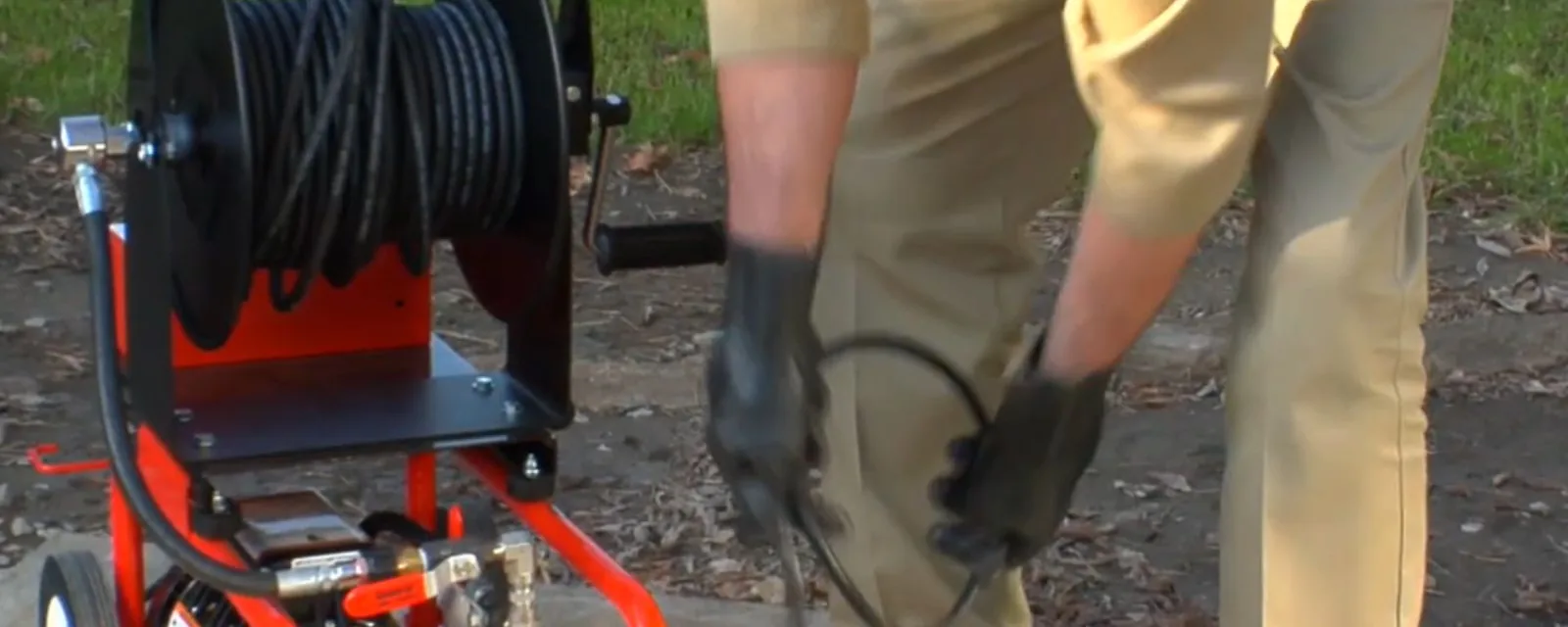
Hydro jetting in Shafter, CA is pipe cleaning with a hose, a nozzle and high-pressure water instead of a spinning cable. The nozzle scours grease, scale and silt off the pipe wall and flushes it downstream. Our dispatcher takes jetting calls 24/7, including nights and weekends when a line is backing up.
If sewage is coming up right now, stop flushing and stop the washer and dishwasher. Keep everyone out of the room with the lowest drain, usually a tub or floor drain, and leave any cleanout cap closed until the plumber says to open it. Call (855) 575-2890 and say how many fixtures are affected.
Jetting is not a repair. It cannot close a crack, lift a bellied pipe or rebuild a collapsed section, and it will not hook a solid object the way a retrieving head can. For one stopped sink, a cable is usually the simpler answer, as the drain cleaning page explains.
Cable or jet, picking by what is in the pipe
The stoppage decides the tool. Here is how we sort the common ones.
| What is in the pipe | Usually better | Why |
|---|---|---|
| Soft hair and soap in one fixture line | Cable | A small head opens it quickly and no water pressure is needed. |
| Grease built up along the wall | Jet | Water scrapes the wall clean where a cable only bores a hole. |
| Fine roots in a sewer lateral | Cut first, then jet | A cutter opens the path and the jet washes out the shreds. |
| Hard scale or mineral crust | Jet with a scouring nozzle | Spinning streams chip the crust and flush it out. |
| A solid object lodged in the line | Cable with a retrieving head | Water pressure can push the object deeper. |
| Cracked, offset or collapsed pipe | Neither until a camera shows the damage | Force can widen a break. |
Roots deserve a note. Jetting after a root cutter is common, because the cutter opens a channel and the water carries the cut material out. The sewer line cleaning page covers the cutter side of that pairing.
Line backing up? Call the 24/7 desk
Say what is slow and where, and the dispatcher plans the right equipment.
Why a camera goes in first
High-pressure water is gentle on sound plastic and healthy cast iron, and hard on weak pipe. Old clay joints, rusted cast iron, bellied sections and cracked laterals can be damaged or washed out by a strong stream. We do not jet blind.
A push camera on a flexible rod goes in through the cleanout and shows what the water would hit. A break, a missing section or a pipe full of root mass changes the plan. The sewer camera inspection page shows how that recording is read.
In an active backup the camera sometimes cannot pass the stoppage. Then we cable or cut a small opening, pull the camera through, and decide whether jetting is safe. Skipping that step saves minutes and risks a repair nobody wanted.
A jetting visit from cleanout to final run
The order matters more than the speed.
- Find the accessThe plumber locates the cleanout or pulls a toilet or trap if none exists. A line with no cleanout is harder to jet and may need one installed.
- Camera the lineThe push camera shows the pipe material, joints, bellies and the stoppage itself.
- Start the hose dryThe hose feeds in with low pressure until the nozzle is past the trap, then pressure comes up in stages.
- Pull back and scourThe nozzle works back toward the cleanout, scouring the wall and flushing debris toward the main.
- Run the camera againA second pass shows a clean wall and any defect that buildup hid before.
Nozzles, hose and the water behind them
A jetter is a pump, a hose reel and a set of nozzles. Hose size and nozzle size are matched to the pipe. A slim hose and a tight nozzle fit a 2 inch kitchen line, and a heavier hose serves a 4 inch sewer lateral.
Nozzle shape does the work. A penetrator tip drills straight ahead through a plug. A rotary nozzle throws angled streams back at the wall to strip grease and scale. A chain or blade root nozzle cuts roots while the water flushes them out.
High-pressure water also needs a place to go. A closed line fills quickly, so the plumber watches the cleanout and the lowest fixture and keeps the flow moving. A tarp and a wet vacuum go down near the cleanout so splash stays off your floor.
Kitchen grease lines and food business drains
Grease is the usual reason a kitchen line needs jetting. Fat cools inside the pipe, collects flour and food, and hardens into a ring that narrows the bore each week. A cable pokes through the center and leaves the ring behind, which is why the stoppage returns.
A food business, whether a shop along Lerdo Highway or a unit in an industrial park, feels this more than a house does, because a stopped floor drain closes the kitchen. Our commercial plumbing service covers after-hours calls, grease trap questions and floor drain backups. Jetting is often the tool for the line past the trap.
At home, a jet can clear a grease-coated kitchen drain, but it cannot change the habit. Wipe pans with a paper towel before washing and keep fat out of the sink so the line stays open longer.
What decides the cost of a jetting visit
You get a clear price before work starts. These are the factors behind it.
- Length and size of the line. A short 2 inch run is a smaller job than a long 4 inch lateral.
- Access. A cleanout makes jetting direct. Pulling a toilet or cutting in a new cleanout adds work.
- What is in the pipe. Fresh grease washes out quickly, while thick scale or a root mass takes passes and time.
- Camera work. A before and after camera pass is extra equipment but tells you whether the job worked.
- Hour of the call. Overnight and weekend visits are priced differently than a planned weekday slot.
- Repeat visits. A line that needs jetting often may be better served by a repair or a maintenance plan.
Standard homeowner insurance usually covers sudden damage and not wear or gradual buildup, so check your policy. Call the dispatcher for the real number on your line.
Hydro jetting questions we hear
Do you handle hydro jetting emergencies at night or on weekends in Shafter?
Yes. The dispatch line runs 24/7, and same-day appointments are available when the schedule allows. Overnight and weekend backups go to the same dispatcher.
A line backing up into the house is treated as urgent. Tell the dispatcher what you see and which fixtures are affected.
Can hydro jetting damage my pipes?
It can, if the pipe is already weak. Old clay, thin cast iron, bellied sections and cracks may not stand up to a strong stream. That is why a camera goes in first.
If the camera shows damage, we tell you before any jetting and talk through a repair or a gentler cleaning method.
Does jetting after root cutting make sense?
Often. A cutter opens a channel through the roots, and the jet washes out the shreds and scours the wall. The line stays clearer than after a cable alone.
Neither tool seals the opening where the roots entered, so roots can return. A follow-up camera shows how the joint looks.
Do I need a jet or a cable for one clogged sink?
Usually a cable. A single sink clog of hair or soap is quick work for a small cable, and a jet would be more equipment than the job needs.
Jetting makes sense when grease coats the wall of a kitchen line and the clog keeps coming back.
What affects the cost of hydro jetting?
Line length and size, access, what is in the pipe, camera work and the hour of the call all matter. A cleanout keeps the job direct.
Call for the clear price before work starts. Repeat jetting on the same line may point to a repair.
Do you jet lines in McFarland?
Yes. We take jetting calls from McFarland, roughly 15 miles from Shafter. Highway 99 splits town into an east and west side.
Tell the dispatcher which side you are on and a nearby cross street, so the plumber heads the right way.
Not sure jetting is the right tool? Call (855) 575-2890 and describe the clog.